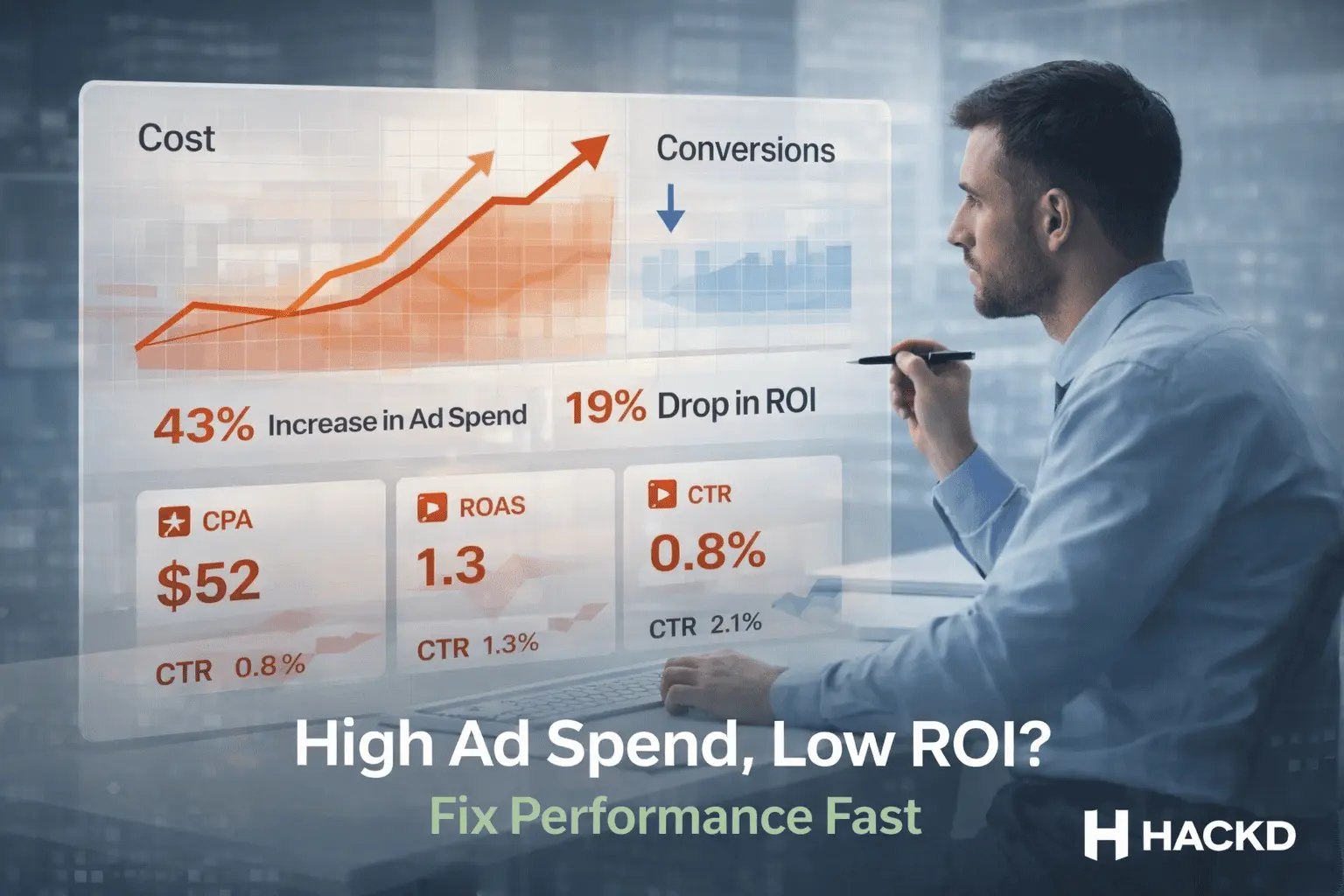
Many businesses invest time and resources into growth, yet struggle to see consistent results. Despite ongoing efforts, revenue remains unpredictable, customer acquisition feels inefficient, and scaling becomes increasingly difficult.
In most cases, the issue is not a lack of activity but a flawed approach to planning growth. Without a clear strategy, businesses rely on scattered tactics that fail to deliver sustainable outcomes.
To achieve real growth, there needs to be structure, alignment, and a clear direction. Avoiding common mistakes in planning is what separates businesses that scale effectively from those that remain stuck.
What Is a Business Growth Strategy and Why Does It Fail?
A business growth strategy is a structured plan designed to increase revenue, acquire customers, and expand market presence through aligned marketing, sales, and operational efforts. It connects goals, channels, and execution into a scalable system.
Growth strategies fail when there is no clear direction, poor understanding of the target market, or a disconnect between planning and execution. Without alignment and measurable systems, efforts become inconsistent, making it difficult to achieve sustainable and predictable growth.
Common Mistakes To Avoid When Planning Your Business Growth Strategy
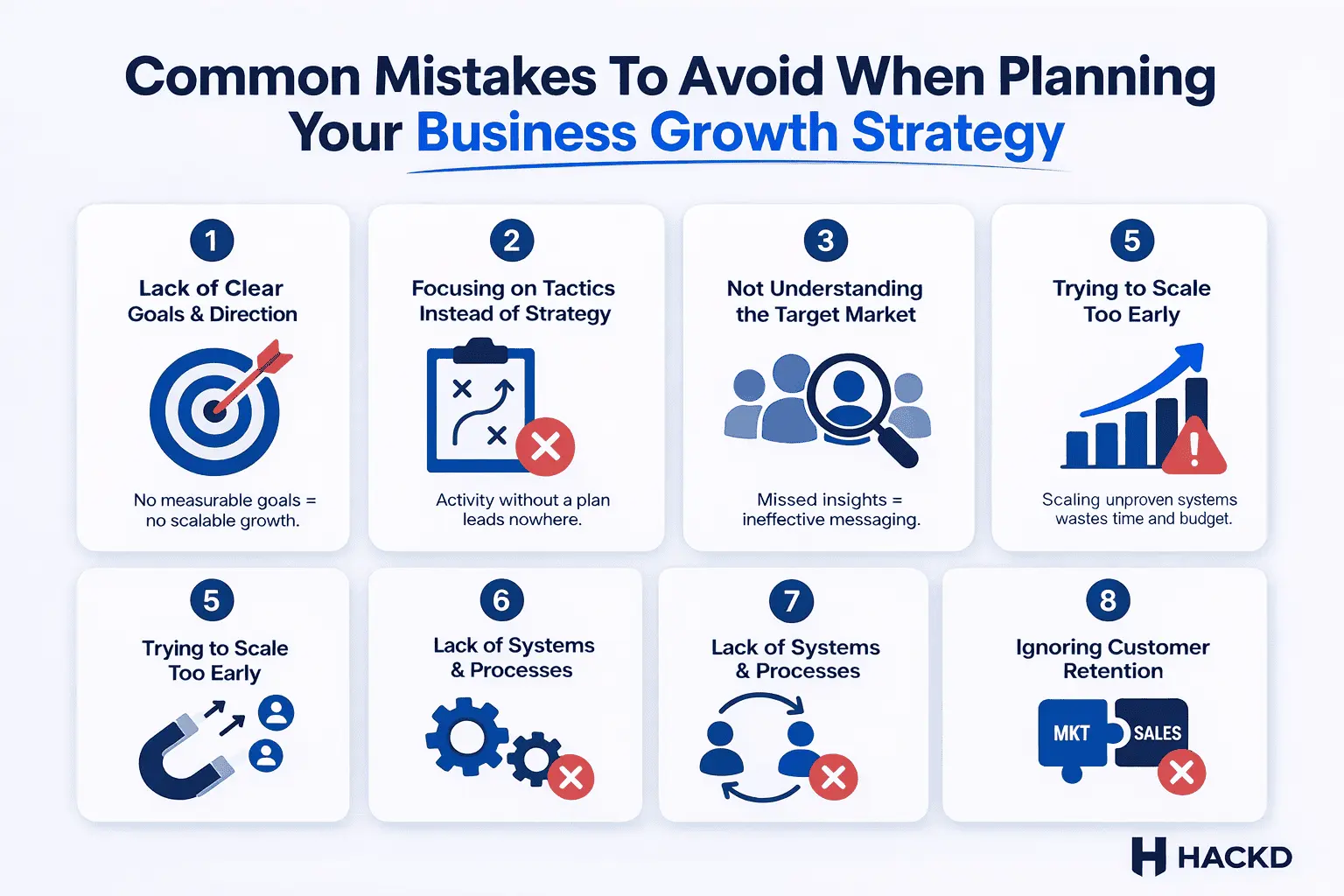
Many businesses struggle to scale not because of effort, but because of critical gaps in how growth is planned. These mistakes create inefficiencies, reduce clarity, and make performance unpredictable. Identifying and correcting them is essential to building a strategy that delivers consistent and scalable results.
1. Lack of Clear Goals and Direction
Growth often fails when there are no clearly defined objectives guiding decision-making. Without specific targets tied to revenue, acquisition, or market expansion, teams default to activity rather than outcomes.
This leads to scattered execution across channels, poor prioritisation, and inefficient use of resources. Over time, performance becomes inconsistent because there is no clear benchmark to measure success or failure.
If your goals are not measurable, your growth will not be scalable.
2. Focusing on Tactics Instead of Strategy
Many businesses prioritise tactics such as running ads, posting content, or launching campaigns without a structured strategy connecting them. While these activities can generate short-term results, they rarely build long-term momentum.
Without a clear framework, efforts become disconnected and difficult to optimise. Strategy ensures that every action contributes to a larger objective, rather than operating in isolation.
Tactics create movement, but only strategy creates direction.
3. Not Understanding the Target Market
A lack of audience clarity leads to messaging that fails to resonate. Businesses often attempt to appeal to a broad audience, resulting in generic positioning and low engagement.
Without insight into customer needs, behaviours, and pain points, it becomes difficult to create relevant offers or effective campaigns. This disconnect increases traffic inefficiencies and lowers conversion rates.
When you do not understand your audience, your marketing cannot perform.
4. Ignoring Data and Performance Metrics
Relying on assumptions instead of data limits your ability to make informed decisions. Without tracking performance, it becomes difficult to identify which channels, campaigns, or messages are driving results.
This leads to repeated mistakes, inefficient spending, and missed opportunities for optimisation. Data provides the clarity needed to refine strategy and improve outcomes over time.
Decisions without data lead to unpredictable and inconsistent growth.
5. Trying to Scale Too Early
Scaling before validating your growth model often results in wasted budget and poor performance. Many businesses increase investment in ads or expansion without confirming that their messaging, targeting, and processes are effective.
Without a solid foundation, scaling amplifies inefficiencies instead of results. Sustainable growth requires proof before expansion.
Scaling works only when the system you are scaling already performs.
6. Weak Positioning and Messaging
If your value proposition is unclear or not differentiated, attracting and converting customers becomes difficult. Strong positioning communicates why your business matters and how it solves a specific problem better than competitors.
Without this clarity, messaging becomes generic and fails to stand out, reducing both engagement and conversion rates.
If your value is not obvious, customers will choose a competitor who makes it clear.
7. No Clear Customer Acquisition Strategy
Growth becomes inconsistent when there is no structured system for acquiring customers. Relying on random channels or sporadic campaigns creates unpredictable results.
A defined marketing and advertising strategy identifies the right channels, messaging, and processes needed to generate and convert leads consistently.
Without a repeatable acquisition system, growth cannot be scaled.
8. Poor Resource Allocation
Spreading resources across too many initiatives reduces overall impact. Many businesses attempt to do everything at once, leading to diluted effort and slow results.
Effective growth requires prioritisation, focusing time and budget on the highest-impact activities that drive measurable outcomes.
Growth accelerates when resources are focused, not scattered.
9. Lack of Systems and Processes
Sustainable growth depends on repeatable systems that ensure consistency. Without structured processes, results rely heavily on manual effort, making scaling difficult and inefficient.
Systems allow businesses to maintain performance while increasing volume, reducing dependency on individual execution.
If growth depends on effort alone, it will eventually plateau.
10. Ignoring Customer Retention
Focusing only on acquiring new customers while neglecting retention limits long-term profitability. Retention increases customer lifetime value and reduces the cost of growth.
Without retention strategies, businesses continuously replace lost customers, increasing pressure on acquisition efforts and reducing efficiency.
Retention drives profitability, while acquisition alone drives cost.
11. No Alignment Between Marketing and Sales
When marketing and sales operate separately, opportunities are lost. Leads generated by marketing are not effectively nurtured or converted, reducing overall performance.
Alignment ensures consistent messaging, improved lead quality, and a smoother journey from awareness to conversion.
Growth slows when teams work in silos instead of as a unified system.
Addressing these mistakes transforms growth from reactive activity into a structured system. When goals, strategy, execution, and optimisation are aligned, businesses can move from unpredictable performance to consistent, scalable growth.
Quick Signs Your Growth Strategy Is Not Working
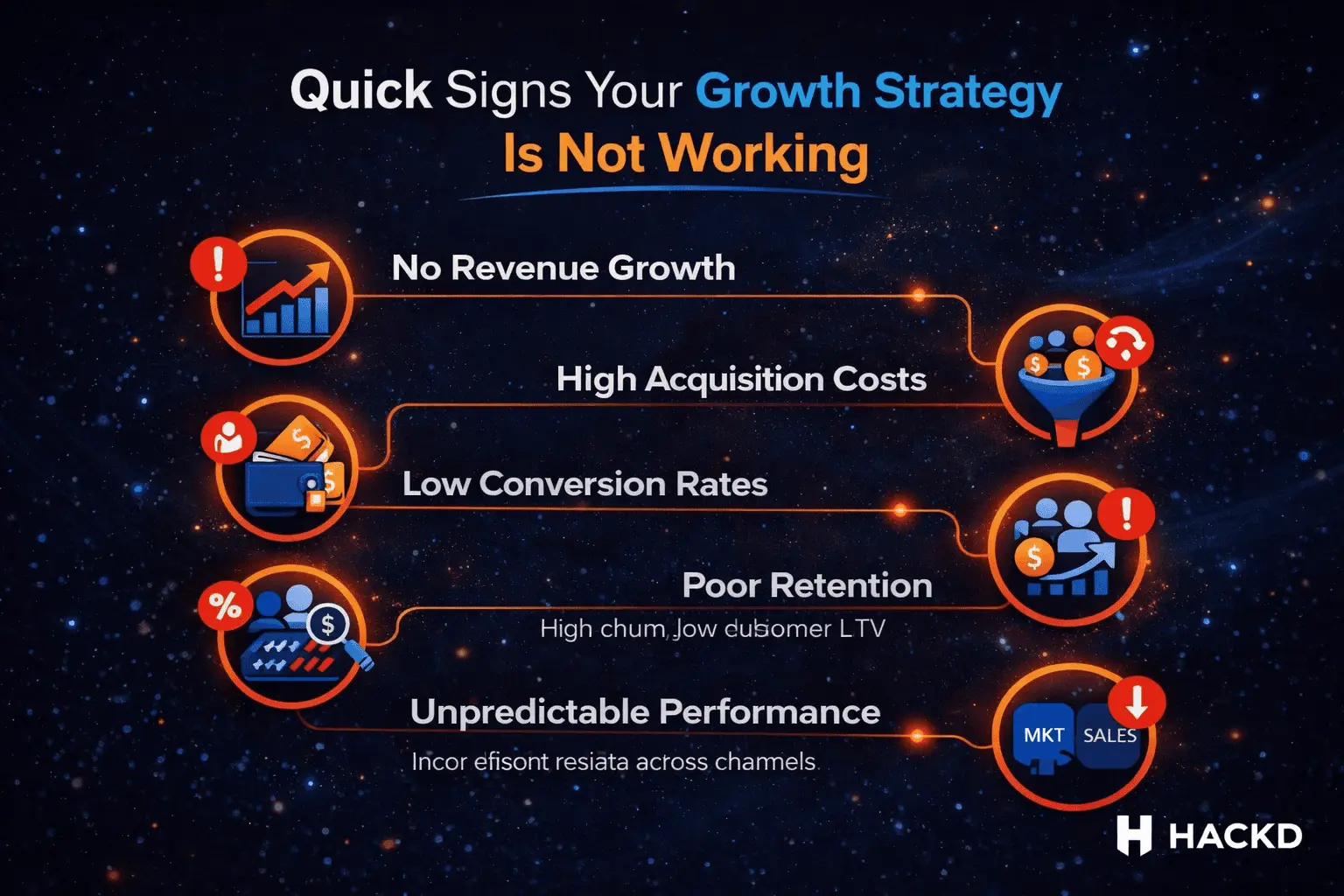
These signals help you quickly identify whether your current approach to growth is ineffective or misaligned. Recognising them early allows you to adjust before resources are wasted.
- No consistent revenue growth: Sales fluctuate without a clear upward trend, indicating a lack of structure and predictability in your growth efforts.
- High customer acquisition cost: Spending more to acquire customers than the value they bring suggests inefficiencies in targeting, messaging, or channel selection.
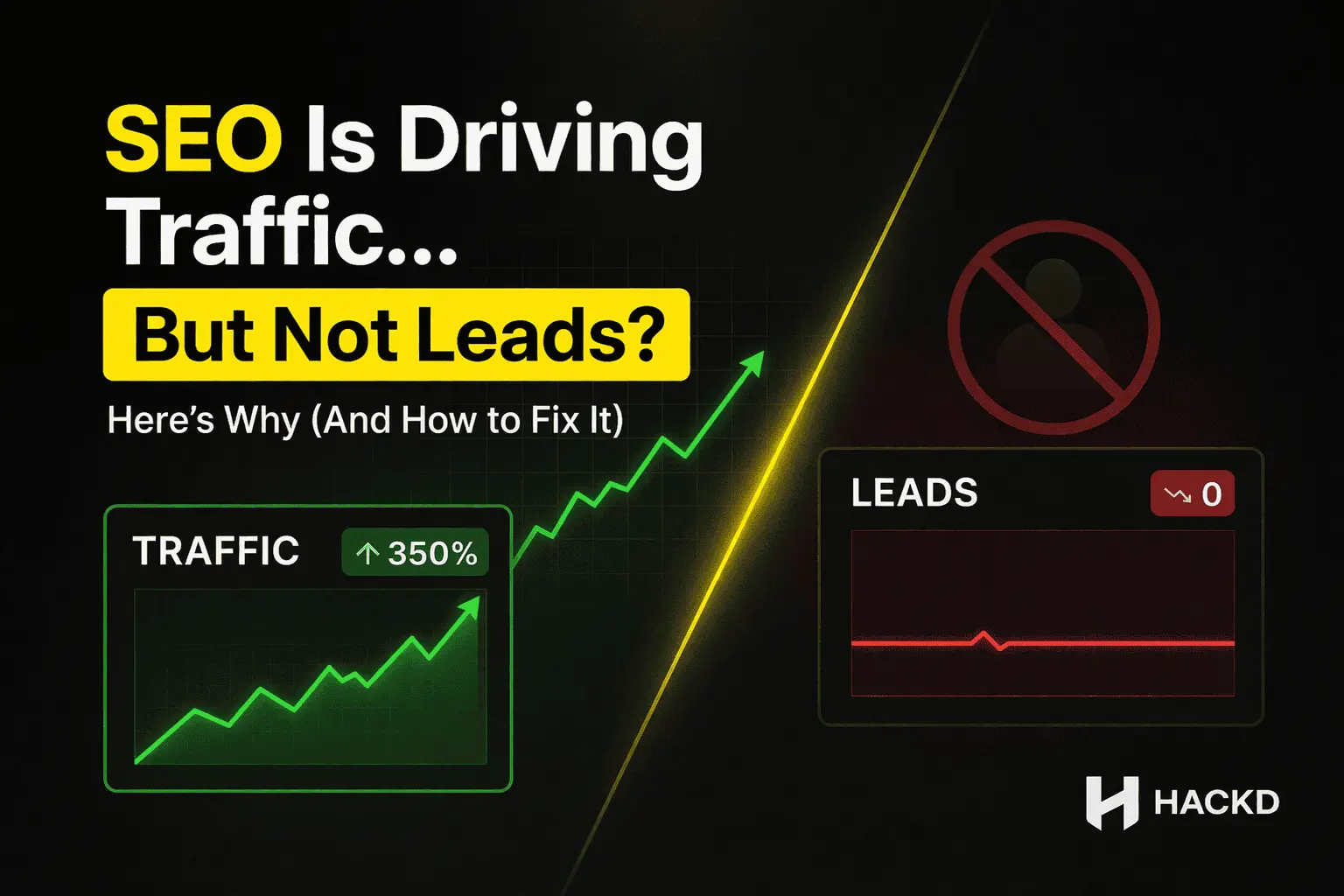
- Low conversion rates: Traffic and interest exist, but users are not taking action, often due to weak positioning, unclear offers, or poor user experience.
- Poor customer retention: Customers are not returning or staying engaged, limiting lifetime value and increasing pressure on acquisition efforts.
- Unpredictable performance across channels: Results vary significantly without clear patterns, making it difficult to scale what works or optimise effectively.
How to Build a Business Growth Strategy That Actually Works
Building a successful growth strategy requires a structured approach that aligns goals, audience, and execution. The focus should be on creating a system that delivers consistent and scalable results.
Step 1: Define Clear Growth Goals
Start by setting specific, measurable objectives that guide your strategy. Clear goals provide direction and make it easier to track progress and evaluate success.
Step 2: Understand Your Market and Audience
Develop a deep understanding of your target audience, including their needs, behaviours, and pain points. This insight ensures your messaging and targeting are relevant and effective.
Step 3: Build a Scalable Customer Acquisition Strategy
Identify the channels and methods that consistently bring in qualified leads. Focus on strategies that can be scaled without compromising efficiency or quality.
Step 4: Align Marketing and Sales
Ensure that marketing efforts and sales processes work together seamlessly. Alignment improves lead quality, increases conversion rates, and creates a smoother customer journey.
Step 5: Create Systems and Processes
Establish repeatable systems that support growth. Structured processes reduce reliance on manual effort and enable your business to scale more efficiently.
Step 6: Focus on Retention and Customer Lifetime Value
Prioritise keeping existing customers engaged and satisfied. Strong retention strategies increase long-term revenue and reduce dependence on constant acquisition.
Step 7: Track, Measure, and Optimise Performance
Continuously monitor key metrics to understand what is working. Use data to refine your strategy, improve efficiency, and drive better results over time.
Why Most Growth Strategies Fail
Many growth strategies fail not because of lack of effort, but because they are built on weak foundations. Without structure and alignment, even well-executed tactics struggle to deliver meaningful results.
One of the main reasons is the over-reliance on short-term tactics. Businesses often focus on quick wins such as running ads or publishing content without a clear long-term plan. While these activities may generate temporary results, they rarely lead to sustainable growth.
Another common issue is the lack of measurement and optimisation. Without tracking performance, it becomes difficult to identify what is working and where improvements are needed. This leads to repeated mistakes and inefficient use of resources.
Ultimately, growth strategies fail when there is no system connecting goals, execution, and outcomes. When these elements are aligned, businesses can move from unpredictable results to consistent and scalable growth.
Reactive Growth vs Strategic Growth
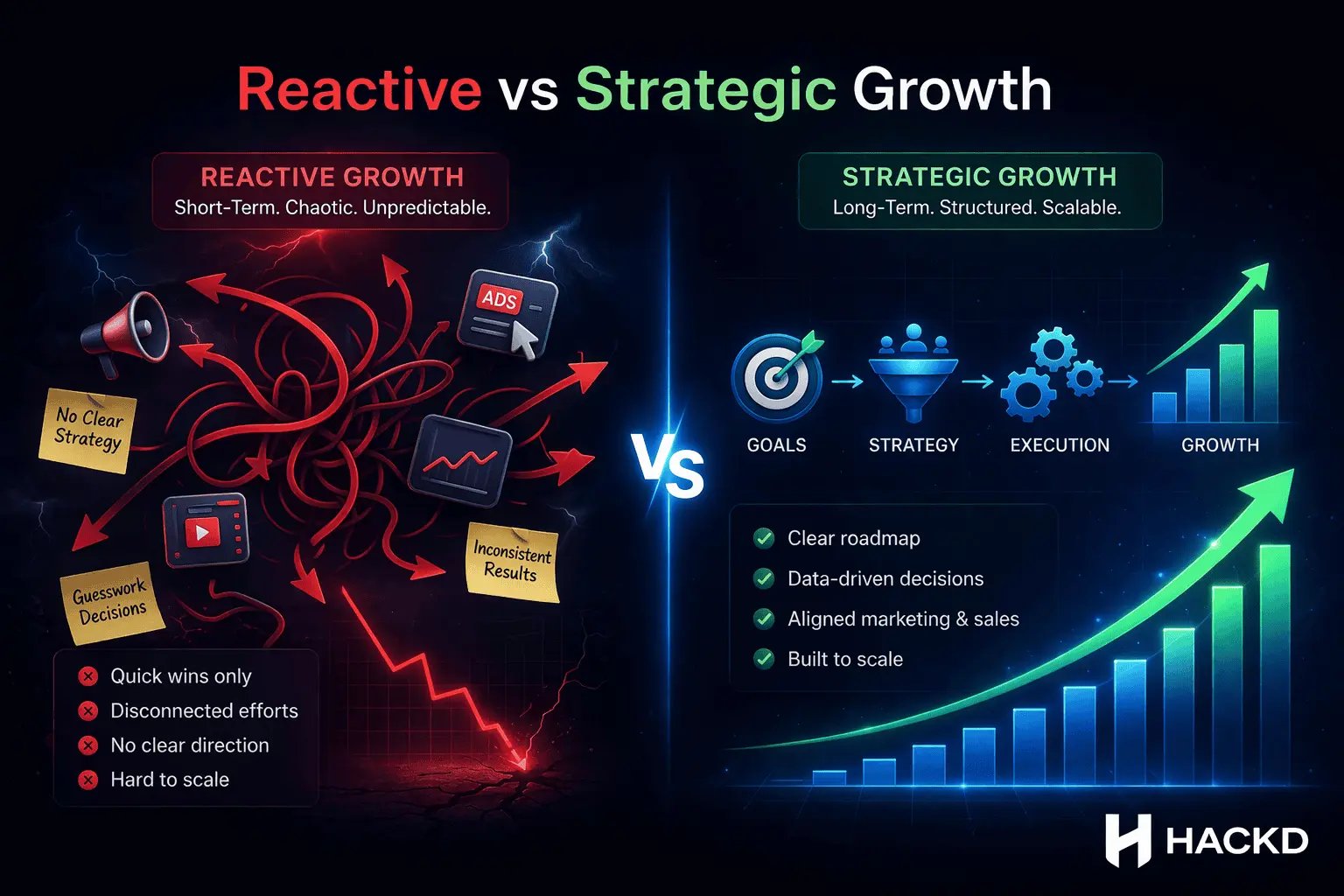
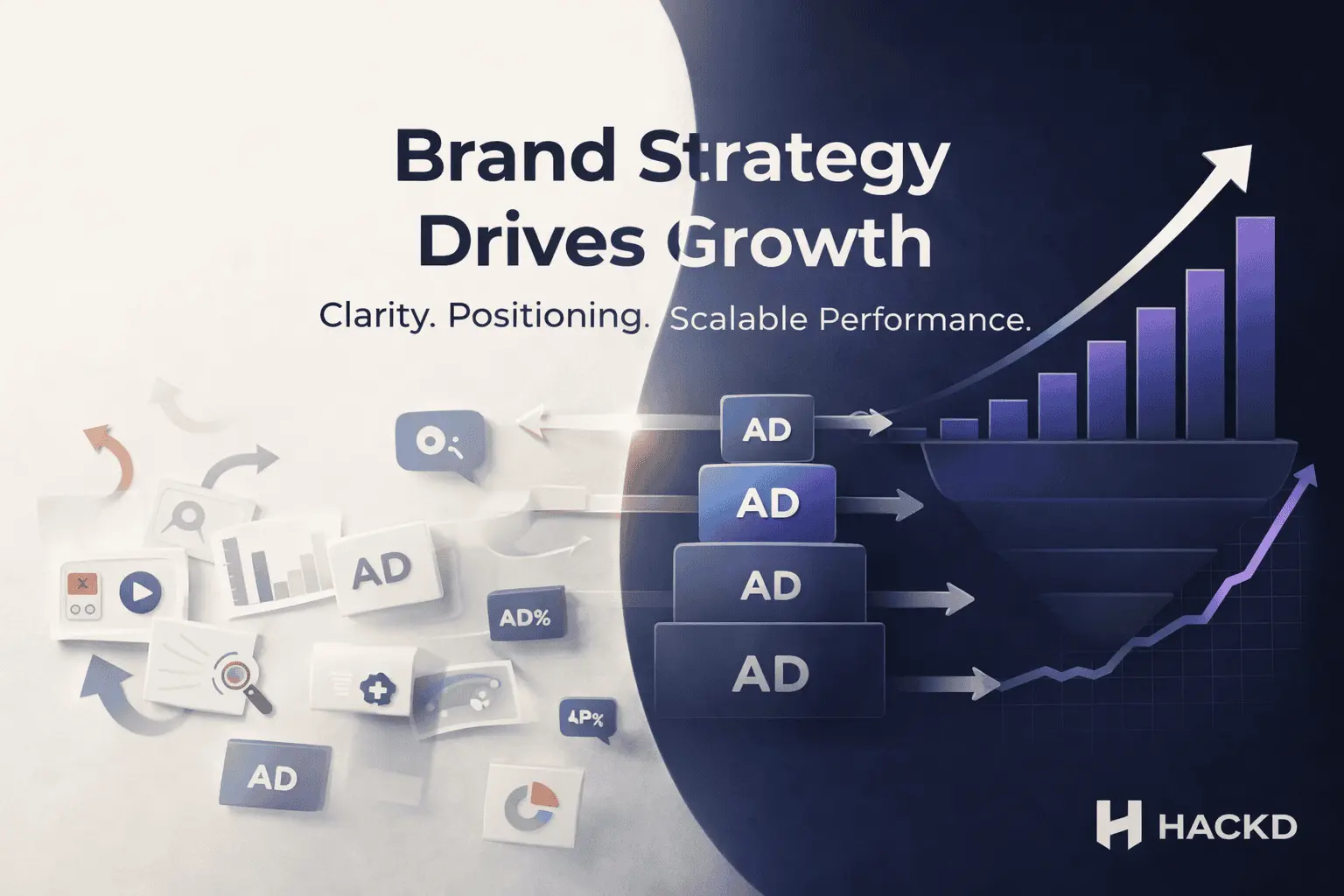
The difference between inconsistent results and sustainable scaling often comes down to how growth is approached. While reactive growth relies on short-term actions, strategic growth is built on structured systems and long-term planning.
Moving from reactive to strategic growth requires a shift in mindset. When businesses prioritise structure, alignment, and data-driven decisions, growth becomes more predictable and easier to scale.
What to Fix First in Your Growth Strategy
Not every issue in your growth strategy needs to be addressed at once. Prioritising the right areas ensures faster improvements and more efficient use of resources.
Start with clarity around your goals and direction. Without defined objectives, every effort becomes fragmented and difficult to measure. Establishing clear targets provides a foundation for all other decisions.
Next, focus on understanding your audience and positioning. If your messaging does not resonate with the right people, even well-executed campaigns will underperform. Clear audience insight improves both targeting and conversion.
Then address your customer acquisition system. Identify the channels that bring in qualified leads and refine how those leads are captured and nurtured. A structured acquisition process creates consistency in growth.
Finally, optimise your conversion and retention systems. Improving how you convert and retain customers increases the value of every acquisition, making your overall strategy more efficient and scalable.
Build a Growth Strategy That Drives Real Business Results
Most businesses do not struggle with effort. They struggle with direction. Without a clear strategy, growth becomes inconsistent, difficult to scale, and heavily dependent on trial and error.
At Hackd Growth, business growth is approached as a structured system where strategy, execution, and optimisation work together to deliver measurable outcomes. The focus is not on isolated tactics, but on building a framework that consistently drives acquisition, conversion, and retention.
If your current approach is not delivering predictable results, the opportunity lies in refining how your growth strategy is planned and executed. With the right structure in place, growth becomes more efficient, scalable, and aligned with long-term success.
Shift from guesswork to a strategy-driven approach, and your results will start to reflect it.
FAQs
1. What is a business growth strategy?
A business growth strategy is a structured plan that outlines how a company will increase revenue, acquire customers, and expand its market presence through aligned marketing, sales, and operational efforts.
2. Why do growth strategies fail?
Growth strategies often fail due to lack of clear direction, poor understanding of the target audience, over-reliance on tactics, and the absence of measurable systems to track and optimise performance.
3. How do I improve my growth strategy?
Improving a growth strategy involves defining clear goals, understanding your audience, building scalable acquisition systems, aligning marketing and sales, and continuously optimising based on data.
4. What is the biggest mistake in business growth planning?
One of the biggest mistakes is focusing on short-term tactics without a long-term strategy, which leads to inconsistent results and limited scalability.
5. How long does it take to see results from a growth strategy?
Results vary depending on the approach and execution, but consistent improvements are typically seen over time as systems are refined and optimised.

.jpg.webp)